4
Sep 2026
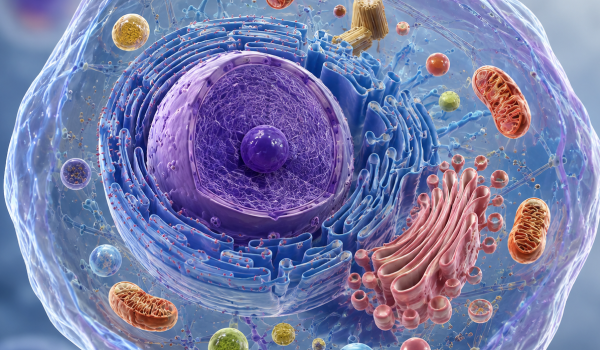
Submicron IR map of the human cell: Label free cellular imaging with O-PTIR, FTIR and Raman
What if you could map the chemistry inside a human cell - without fluorescent labels or stains?

Neurosciences encompasses a broad range of research from the molecular (e.g. aptamer research) to clinical (e.g. research into concussion from sports).
Our goal is to be internationally recognized in 3 areas (neuro-oncology, dementia and neurodegeneration and molecular psychiatry). We have a bench to bedside approach capitalizing on our quite unique staff profile ranging from basic biomedical scientists through pharmaceutics to clinicians.
We also focus on collaborations with our local charities and a network of researchers and clinicians across the world.
We have a significant local impact in our neuro-oncology research. One strand of our Molecular Psychiatry group is research into legal highs and this research has had an impact on the government drug policy. Our Dementia and Neurodegeneration group is funded by the company.
Clinical trials are very important as it allow us to evaluate the effectiveness of new drugs, new devices, preventative strategies or treatment strategies. It also enables us to discover better ways for patients' care.
- Learn more
Our mission remains constant as we endeavor to deliver novel medicines to patients with cancer, treating solid tumors with high unmet medical needs in well-defined patient populations that are currently not well supported.
- Learn more
Whether you're looking to manufacture toxicology batches or cGMP material for clinical trials, we can help you expedite molecules to clinic with full transparency.
- Learn more
4
Sep 2026
What if you could map the chemistry inside a human cell - without fluorescent labels or stains?

4
Sep 2026
A phase 3 trial is showing "a potentially giant step forward," in treating children with achondroplasia, UCLA Health's Dr. Isidro B. Salusky wrote in a new editorial published in the New England Journal of Medicine (NEJM).

4
Sep 2026
In a new study published in Scientific Reports, an international and multidisciplinary research team including Binghamton University researchers identified a set of blood proteins that may explain why the corticosteroid prednisone, although beneficial in treating Duchenne muscular dystrophy (DMD), can interfere with childhood growth and bone health.

4
Sep 2026
As GLP-1 medications change American bodies and attitudes about weight, a West Virginia University fashion expert says their influence could reach all the way from consumers' closets to designers' drawing boards and retailers' racks.