30
Jan 2026
AI-driven model enhances treatment decisions for cancer patients after heart attack
Cancer patients who suffer a heart attack face a dangerous mix of risks, which makes their clinical treatment particularly challenging.
30
Jan 2026
Cancer patients who suffer a heart attack face a dangerous mix of risks, which makes their clinical treatment particularly challenging.
30
Jan 2026
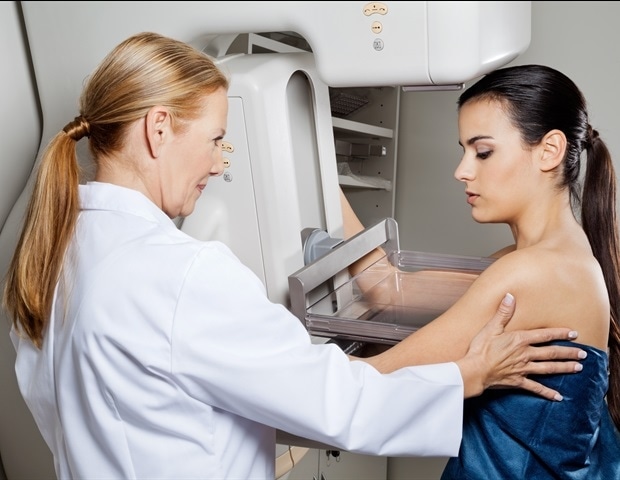
Artificial intelligence (AI)-supported mammography identifies more cancers during screening and reduces the rate of breast cancer diagnosis by 12% in the years following, finds the first randomised controlled trial of its kind involving over 100,000 Swedish women published in The Lancet journal.
30
Jan 2026
WHO has designated the DTU National Food Institute to host a new collaborating center, named "WHO Collaborating center for Risks and Benefits of Foods and Diets".
30
Jan 2026
Endoscopic optical coherence tomography is widely used to visualize tissue microstructures in real time, but current probes face clear limitations.

30
Jan 2026
Eggs as functional foods: this review explores enrichment techniques that enhance nutrient bioavailability and support health through precision nutrition.
30
Jan 2026
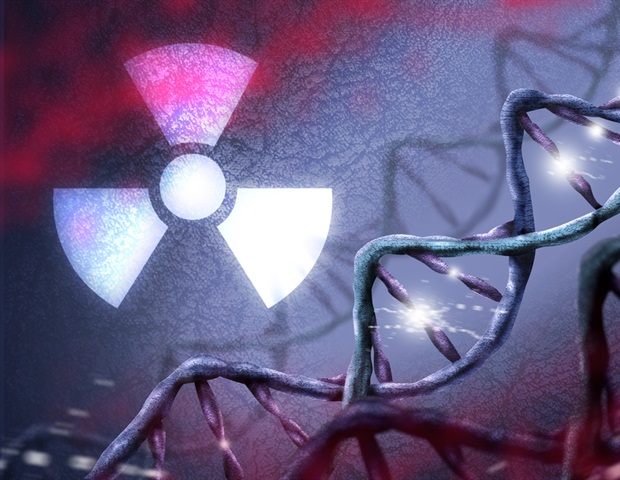
A team of researchers from the Andalusian Centre for Molecular Biology and Regenerative Medicine (CABIMER) and the University of Seville, in collaboration with the Virgen Macarena University Hospital, have identified a fundamental mechanism that links the 24-hour circadian cycle to the precise repair of DNA breaks.
30
Jan 2026
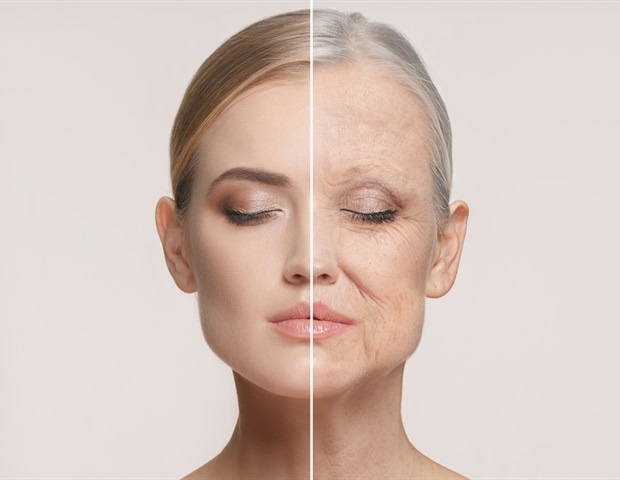
If severe DNA damage is not repaired, the consequences for the health of cells and tissues are dramatic.
30
Jan 2026
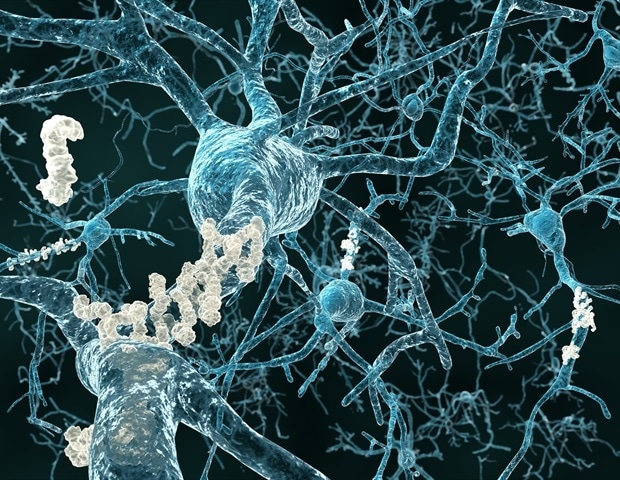
New research by UCLA Health and UC San Francisco has uncovered why certain brain cells are more resilient than others to the buildup of a toxic protein that is a hallmark of Alzheimer's disease and related dementias, potentially leading to new targets for therapies or treatments.
30
Jan 2026
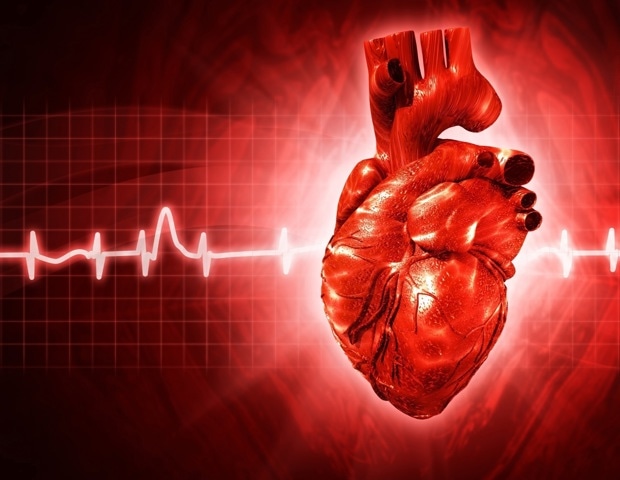
With cardiovascular disease remaining the leading cause of death in the United States, this Heart Month (February), FIU is establishing an interdisciplinary center designed to accelerate breakthroughs in heart disease research, education, and innovation.
30
Jan 2026
Continuous monitoring of biomarkers is essential for early disease detection, treatment evaluation, and personalized health management, yet most clinical tests rely on invasive, single-point blood sampling. Recent advances in aptamer-based wearable electrochemical sensors offer a promising alternative by enabling real-time, continuous tracking of physiological signals directly in or on the body.
Clinical trials are very important as it allow us to evaluate the effectiveness of new drugs, new devices, preventative strategies or treatment strategies. It also enables us to discover better ways for patients' care.
- Learn more
Our mission remains constant as we endeavor to deliver novel medicines to patients with cancer, treating solid tumors with high unmet medical needs in well-defined patient populations that are currently not well supported.
- Learn more
Whether you're looking to manufacture toxicology batches or cGMP material for clinical trials, we can help you expedite molecules to clinic with full transparency.
- Learn more

