28
Apr 2026
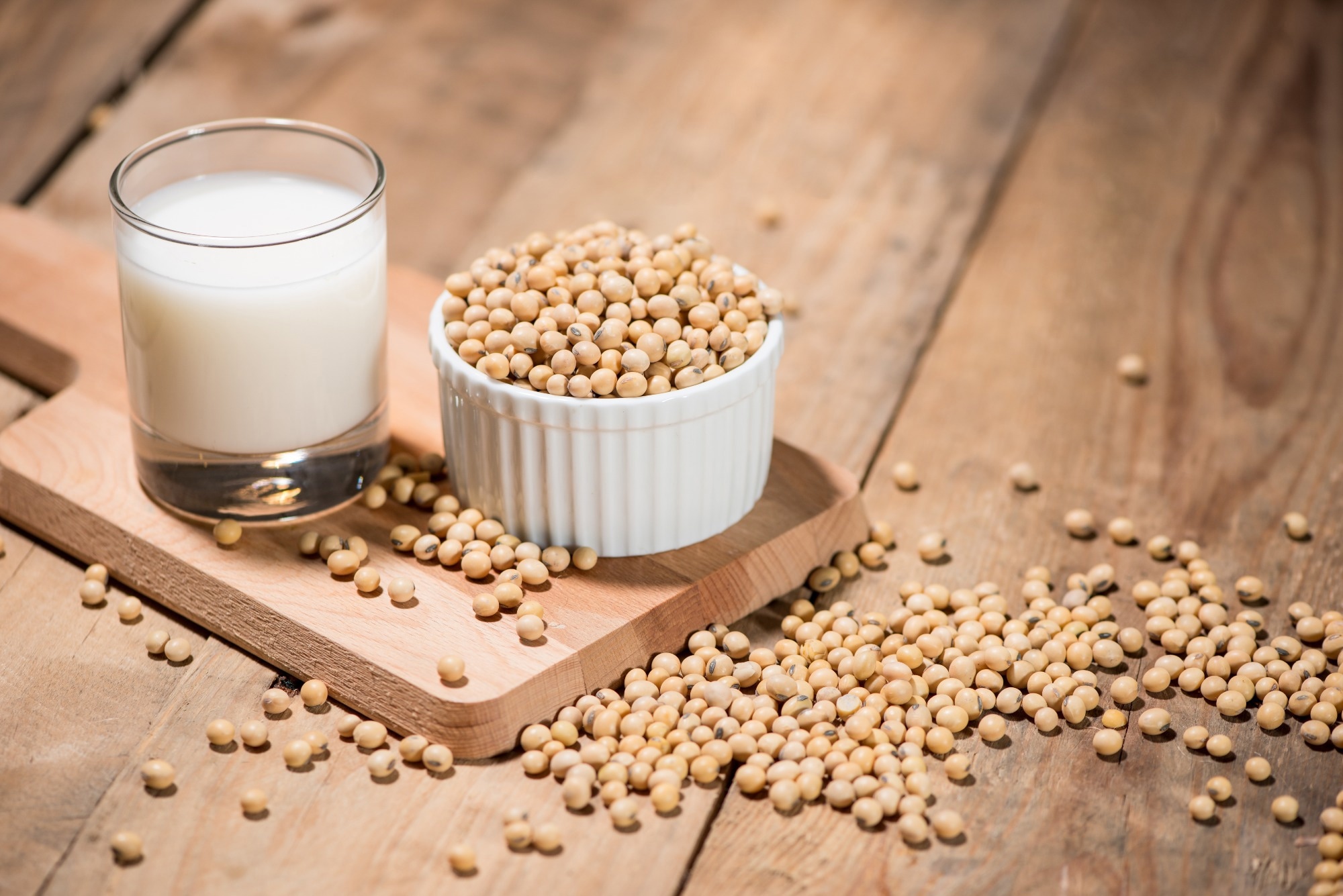
Soy-based nutrients may help reduce COPD symptom burden
Higher isoflavone consumption is associated with improved respiratory health in former smokers with COPD, highlighting diet's role in disease management.
28
Apr 2026
Higher isoflavone consumption is associated with improved respiratory health in former smokers with COPD, highlighting diet's role in disease management.
28
Apr 2026
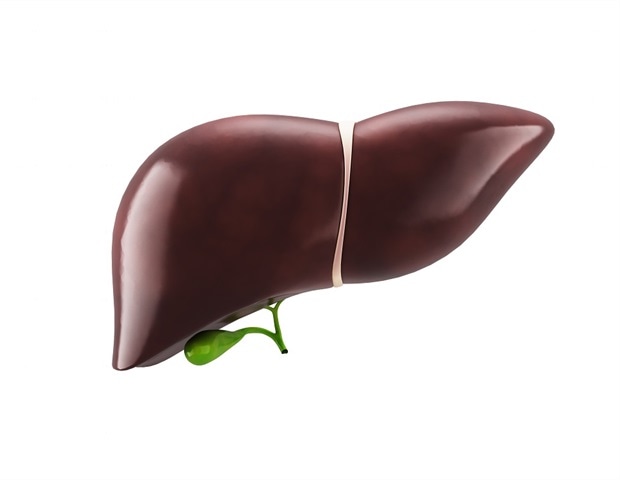
Many liver diseases share a common characteristic: fibrosis, that is, the progressive accumulation of scarring in the liver tissue.

28
Apr 2026
Human cells adjust to ever-changing conditions while preserving internal states necessary for survival, but exactly how they achieve both adaptability and stability remains unclear. For the first time, researchers, including those from the University of Tokyo, used a light-based technique called Raman spectroscopy to create snapshots of the entire protein landscape inside an E. coli cell in a nondestructive manner.

28
Apr 2026
The brain is more mechanically connected to the body than previously appreciated, scientists reported today (April 27) in Nature Neuroscience. Through a study using mice and simulations, the team found a potential biological mechanism underlying why exercise is thought to benefit brain health: abdominal contractions compress blood vessels connected to the spinal cord and the brain, enabling the organ to gently move within the skull.
28
Apr 2026
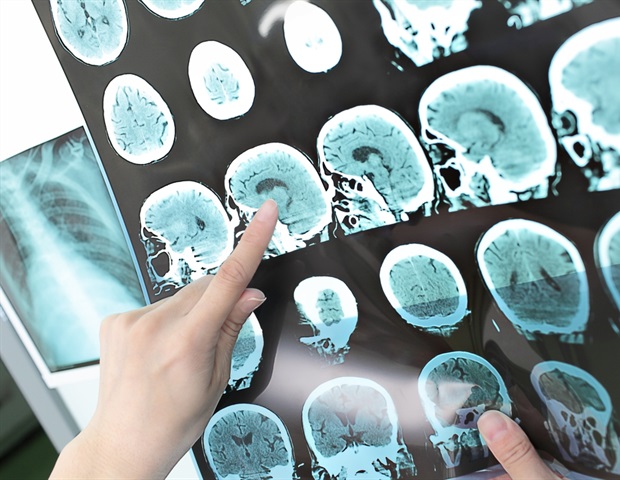
Every stroke begins with a sudden interruption of blood flow in the brain. But what happens afterward—why neurons continue to lose function and die over the following days—has remained one of the most important unanswered questions in neuroscience.
28
Apr 2026
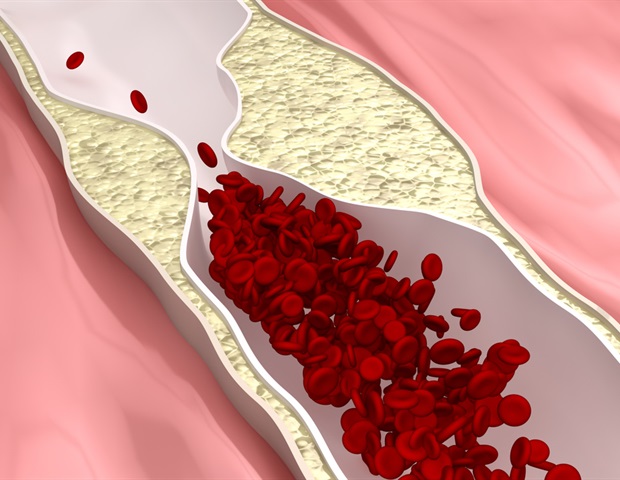
A study by researchers at Baylor College of Medicine and collaborating institutions reveals a previously unrecognized way blood vessels can protect themselves from damage and slow the development of atherosclerosis. The findings, published in the Proceedings of the National Academy of Sciences, have implications for both vascular precision medicine and the safety of certain emerging cancer treatments.
28
Apr 2026
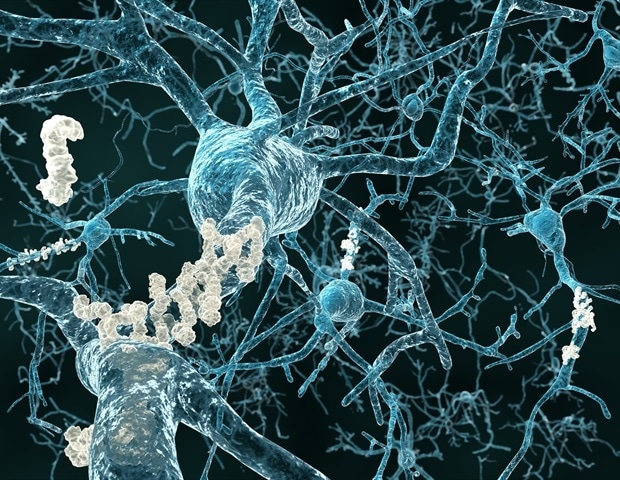
Alzheimer's disease is best addressed as early as possible, ideally before symptoms become apparent. To enable early, accurate risk prediction both for individuals and whole populations, a team of AI researchers, physicians, and scientists centered at MIT has released FINGERS-7B, the first AI foundation model built to make Alzheimer's preventable.
28
Apr 2026
Hepatitis B virus (HBV) infection acquired at birth or during early infancy can lead to lifelong health complications, including chronic liver disease. Despite longstanding recommendations for prenatal screening, an estimated 12% to 16% of pregnant individuals in the US are not screened for hepatitis B. This gap leaves a portion of newborns at risk for undetected exposure.

28
Apr 2026
Although patients with the same cancer diagnosis may respond very differently to treatment, clinicians still have limited tools at their disposal to predict who is most likely to benefit or suffer from a particular myeloma therapy.
28
Apr 2026
Massachusetts Institute of Technology researchers discovered a paradoxical phenomenon in optical physics that could enable a new bioimaging method that's faster and higher-resolution than existing technology.
Clinical trials are very important as it allow us to evaluate the effectiveness of new drugs, new devices, preventative strategies or treatment strategies. It also enables us to discover better ways for patients' care.
- Learn more
Our mission remains constant as we endeavor to deliver novel medicines to patients with cancer, treating solid tumors with high unmet medical needs in well-defined patient populations that are currently not well supported.
- Learn more
Whether you're looking to manufacture toxicology batches or cGMP material for clinical trials, we can help you expedite molecules to clinic with full transparency.
- Learn more

